
A WordPress website development agency London businesses trust can turn an outdated or unclear website into a practical digital platform. Without the right structure, content, and support, websites can become difficult to manage. A strategic WordPress build creates a clearer path forward.
A WordPress website development agency in London or the UK helps businesses plan, design, build, optimise, and maintain websites that support real customer needs. The strongest approach combines bespoke design, reliable development, SEO foundations, scalable functionality, and ongoing support. It should make the website easier for visitors to use and easier for the business to manage.
What Does a WordPress website development agency London Offer?

A WordPress website development agency London businesses work with provides strategic planning, custom design, technical development, SEO setup, and support for professional websites.
WordPress is more than a platform for publishing pages. When it is planned properly, it can become a flexible content management system for service businesses, professional practices, retailers, organisations, and growing brands.
A specialist WordPress agency may offer:
- Website strategy and page planning
- Bespoke website design and user experience work
- Custom WordPress development
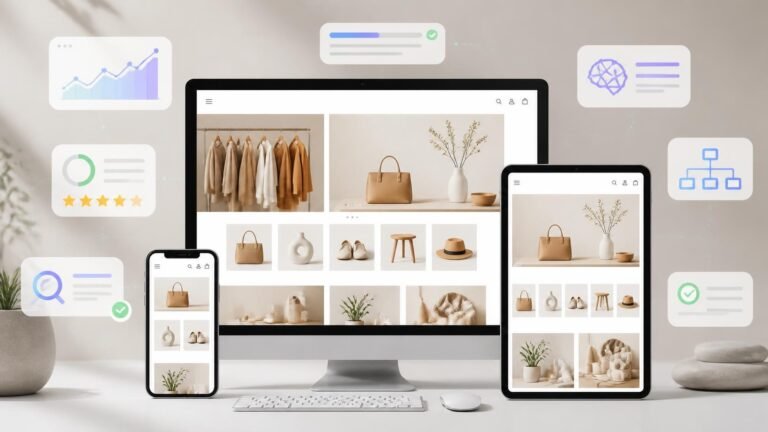
- Responsive layouts for mobile, tablet, and desktop
- Search engine optimisation foundations
- WooCommerce development for online commerce
- Website migration and content transfer
- Hosting guidance, security, backups, and maintenance
- Ongoing content and technical support
The purpose is not to add every available feature. It is to create a website that presents the business clearly, supports the customer journey, and remains manageable as the business evolves.
Why Choose WordPress for Business Websites?
WordPress is a flexible platform that supports content-led, service-based, and commerce websites when it is built with a clear structure and reliable technical standards.
Businesses often choose WordPress because it gives them control over pages, articles, media, services, and future updates. It can support a simple brochure website, a detailed professional resource hub, or a more advanced commerce platform.
Key WordPress strengths include:
- Flexible page layouts and custom content sections
- Simple publishing for news, insights, and blog content
- Integration options for forms, bookings, CRM systems, and email tools
- SEO-friendly content management features
- Scalable web design options as services or product ranges grow
- WooCommerce functionality for online stores
- Access to a broad ecosystem of plugins and development tools
A cheap website may appear sufficient at first, but it can become restrictive when a business needs better content control, stronger branding, new integrations, or improved performance. A carefully planned WordPress build supports growth without making the website unnecessarily complicated.
How Does Bespoke WordPress Development Differ From Templates?
Bespoke WordPress development creates a website around a business’s specific audience, brand, content, and operational needs rather than relying entirely on a pre-built template.
Templates can be useful for straightforward websites with limited requirements. However, they may create limitations when a business needs distinct layouts, complex services, multiple locations, advanced content types, specialised forms, or a tailored user journey.
|
Website approach |
Suitable for |
Main strengths |
Important considerations |
|
Ready-made template |
Basic informational website |
Faster starting point and familiar page patterns |
May limit visual distinction and future flexibility |
|
Customised template |
Small business with defined needs |
Balances efficiency with brand adjustments |
Requires careful setup to avoid unnecessary plugin dependence |
|
Bespoke WordPress website |
Established or growing businesses |
Custom design, tailored structure, stronger content control |
Needs a clear brief, content planning, and technical development |
|
WooCommerce website |
Businesses selling products online |
Supports products, categories, checkout, and customer accounts |
Requires attention to product data, payments, delivery, and support |
|
Advanced WordPress solution |
Organisations with complex requirements |
Can support integrations, flexible content, and scalable features |
Requires specialist planning, testing, security, and maintenance |
Custom WordPress development does not need to mean complexity for its own sake. It means selecting the right structure and functions for the business, then leaving out what does not serve customers or internal teams.
What Should a Professional WordPress Website Include?
A professional WordPress website should include clear messaging, intuitive navigation, responsive design, reliable performance, and a practical path for visitors to take action.
The home page should quickly explain what the business does, who it serves, and what a visitor should do next. Supporting pages should provide detail without making users work hard to find essential information.
A well-planned build commonly includes:
- A clear home page with direct service positioning
- Individual pages for core services or solutions
- About, team, location, and contact information
- Strong calls to action, such as an enquiry, consultation, booking, or purchase
- Mobile-ready menus, forms, and page layouts
- SEO-ready titles, headings, internal links, and content structure
- Privacy, cookie, and policy pages where relevant
- Analytics and performance monitoring setup
- Image and media optimisation
- An easy-to-use WordPress editing experience for the team
Expert design should help visitors understand the business rather than distract from the message. Useful white space, readable typography, calm visual hierarchy, and consistent calls to action can improve clarity across the website.
How Do WordPress Web Design Agencies Support SEO?
WordPress web design agencies support SEO by building a website that search engines can crawl and users can navigate, while creating a clear foundation for useful, relevant content.
SEO is not a single plugin or a one-time task. It begins with the site architecture, page purpose, content quality, technical performance, mobile usability, and internal linking.
A search-ready WordPress website should support:
- Logical URLs and page hierarchy
- Accurate page titles and meta descriptions
- Clear H1, H2, and H3 headings
- Helpful service and location content
- Optimised images with descriptive alt text
- Fast page delivery and efficient code
- Secure HTTPS configuration
- XML sitemap and indexing controls
- Schema markup where appropriate
- Easy publishing for ongoing content marketing
For example, a London-based professional service business may need a focused service page, a local area page where relevant, an FAQ section, and an enquiry form. This creates a more helpful experience than placing all information on one long and unfocused page.
SEO also supports GEO and AEO. Clear answers, structured content, accurate business information, and topic-specific pages can help search engines and AI-powered answer tools understand what a website offers.
What Makes a WordPress Website Scalable?
A scalable WordPress website can accommodate new content, services, locations, products, and integrations without requiring the whole website to be rebuilt.
Scalability starts with planning. A developer should consider how the business may change over time, including new service categories, additional staff, changing brand content, new customer journeys, and possible commerce requirements.
Scalable web design often includes:
- Reusable page sections and content blocks
- Flexible templates for service, article, and campaign pages
- A consistent design system
- Clear user permissions for different team members
- A manageable plugin strategy
- Reliable hosting and routine backups
- Structured content fields for repeatable information
- Performance monitoring and planned updates
- Integration capacity for business tools
The best WordPress developers do not simply create pages that look good at launch. They create a practical editing environment that helps teams publish and improve content without breaking the design.
Quick Facts About WordPress Development
WordPress development is most effective when technical decisions, content planning, design, and marketing objectives work together from the beginning.
- WordPress can support both simple business websites and more complex online platforms.
- A bespoke build can improve brand consistency and reduce unnecessary template limitations.
- WooCommerce can extend WordPress for product-based businesses and online commerce.
- Website performance depends on development quality, hosting, images, plugins, and ongoing maintenance.
- SEO should be considered during planning, not added only after launch.
- Content needs a clear purpose: to explain, reassure, answer, guide, or convert.
- A website requires ongoing attention as software, services, and customer expectations change.
- The strongest WordPress websites balance visual design with usability, accessibility, and technical stability.
Terms such as “top WordPress development companies” or “best WordPress developers” can be useful during research, but the most important question is whether an agency understands the business goals, target audience, and required website functionality.
What Are Common Misconceptions About WordPress Agencies?
A WordPress agency is not only a provider of themes or plugins; it can be a strategic partner in building and maintaining a stronger digital presence.
“WordPress websites all look the same.”
WordPress can support highly individual website experiences. The visual outcome depends on the design system, custom development approach, content, imagery, and brand strategy—not the platform alone.
“More plugins always add more value.”
Plugins can add useful features, but too many poorly selected tools may affect performance, maintenance, compatibility, or security. Each addition should have a clear purpose.
“A website is complete once it launches.”
Launch is the start of the website’s working life. Ongoing content updates, security checks, technical maintenance, and performance reviews help keep it useful.
“SEO can be added later without affecting the build.”
Some SEO work can be improved later, but page structure, content planning, loading performance, and internal links are easier to address during development.
“A cheap website and a strategic website are the same.”
A low-cost option may suit a limited short-term need. A strategic website considers brand clarity, customer journeys, content ownership, performance, and future requirements.
“Brand Highlighters are only visual details.”
Brand highlighters—such as a distinct message, proof point, service focus, or visual cue—help visitors recognise what makes a business relevant. They should be placed thoughtfully throughout the website, not used as decoration alone.
How Does Mednetiks Help With WordPress Development?
Mednetiks combines WordPress development, website design, SEO, branding, content creation, and media production to create cohesive digital solutions for businesses and professionals.
The process begins by understanding the audience, services, goals, and customer journey. From there, the website structure, design direction, content requirements, and technical setup can be planned as connected parts of one digital presence.
Support may include:
- WordPress website strategy and sitemap planning
- Custom WordPress development and bespoke page design
- SEO-focused content structure and on-page optimisation
- Brand positioning, visual direction, and messaging
- WooCommerce and relevant business integrations
- Website content creation for service pages, articles, and campaigns
- Media production that supports a more credible online presentation
- Ongoing website updates, maintenance, and technical support
This joined-up approach is useful for businesses that want their websites, search visibility, brand identity, and marketing content to work together consistently.
How Can Businesses Prepare for a WordPress Project?
Businesses can prepare for a WordPress project by defining the website purpose, gathering accurate information, and identifying the customer actions that matter most.
A clear brief helps development move more smoothly and creates stronger decisions around design, content, and functionality. It also prevents unnecessary pages and tools from being added without a practical reason.
Before starting, prepare:
- A short overview of the business, audience, locations, and main services.
- A list of the desired customer actions, such as calls, enquiries, bookings, downloads, or purchases.
- Existing brand materials, including logos, colours, photography, and written guidelines.
- Service details, frequently asked questions, and key customer concerns.
- Required features, such as forms, appointment tools, payment options, CRM connections, or member access.
- Relevant existing website content that needs updating, rewriting, or transferring.
- A realistic plan for who will review and approve design, copy, and technical decisions.
- Ideas for future content, campaigns, or service expansion.
Mednetiks can help businesses turn these early ideas into a structured WordPress website plan with clear priorities. To discuss a website project calmly and practically, contact enquires@mednetiks.com, call +442081445052, or visit 12–18 Sidcup House, Sidcup, UK.
Frequently Asked Questions
What does a WordPress website development agency do?
A WordPress development agency plans, designs, builds, optimises, and supports WordPress websites for businesses and professional organisations.
Is WordPress suitable for a London business website?
Yes. WordPress can support London businesses with service pages, local SEO content, booking tools, e-commerce, blogs, and scalable website features.
What is custom WordPress development?
Custom WordPress development creates tailored website layouts, features, content structures, and integrations based on a business’s specific requirements.
Can WordPress support e-commerce websites?
Yes. WooCommerce can add product listings, payments, delivery settings, customer accounts, and other commerce tools to a WordPress website.
Why is ongoing WordPress support important?
Ongoing support helps maintain website security, plugin compatibility, backups, performance, content accuracy, and overall reliability.
Does WordPress help with SEO?
WordPress provides a flexible foundation for SEO, but results depend on website structure, helpful content, technical quality, user experience, and ongoing optimisation.
Can an existing website be moved to WordPress?
Yes. Many websites can be migrated to WordPress, although the process should include content review, redirect planning, testing, and technical checks.
What should I look for in a WordPress agency?
Look for an agency that understands your business goals, explains its process clearly, considers SEO and performance, offers suitable support, and can build for future needs.